
How Can Corporate Training Support Digital Transformation?
By providing digital skills training, enhancing technology adoption, boosting capabilities within the workplace, and ensuring the successful implementation of new digital tools and processes, corporate training plays a vital role in digital transformation. Structured technology adoption training is fundamental to give employees confidence and competence to effectively use new technology in their everyday operations.
What Is Digital Transformation in the Workplace?
Digital transformation of the workplace refers to the intentional use of technologies like automation, data analytics, cloud solutions, and AI to enhance business operations. It is more than just software installation; it includes changing tools, processes, and sometimes employee workflows.
Transformation will impact everyday working, so the capability of employees is as important as the technology. Capability building has become a key component of most transformation journeys, not because it is a generic piece of work but because the benefits from a new finance system or automated reporting tool cannot be realised until employees are able to use it in the right way, consistently.
Why Is Corporate Training Important for Digital Transformation?
Adopting digital technologies is a critical aspect of digital transformation, and new technology adoption is unsuccessful if employees don’t possess the skills or confidence to use it effectively. Effective systems are not effective enough if people are not using the new digital process instead of old manual processes.
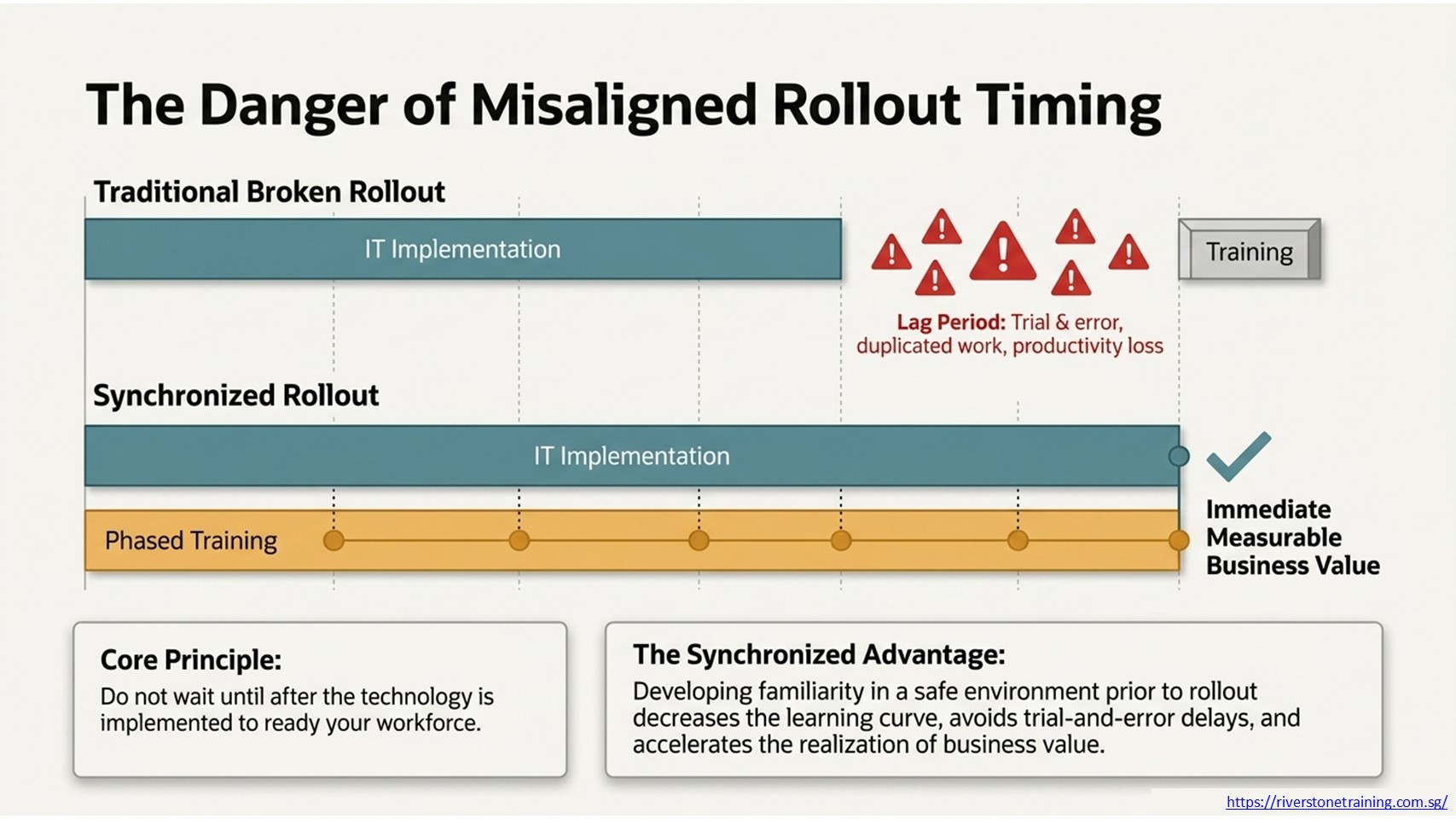
The key to this is training—not to wait until after the technology is implemented to get your employees ready, but to make them ready as you implement it. Structured learning, along with implementation, will usually result in faster and more consistent uptake across teams within the organization that invests in it.
| Digital Skill | Workplace Application |
| Data Analytics | Improve business decisions |
| AI Awareness | Support automation initiatives |
| Digital Tools | Improve workflow efficiency |
| Cybersecurity Awareness | Protect business information |
| Cloud Collaboration | Enable remote and hybrid teamwork |
How Does Digital Skills Training Prepare Employees for New Technologies?
Digital skills training includes provision to develop practical skills in the use of the tools and systems that are specific to an individual’s role, thus training employees for new technologies. Staff perform a procedure, like running a report on the dashboard or working on a new finance system, in a supervised environment before they are expected to do it on their own.
This practical method decreases the learning curve for when new systems are put into operation, as staff have already developed familiarity in a “safe” training environment. It also aids in recognizing the level of support that some employees require prior to a technology rollout.
What Digital Skills Do Employees Need in Modern Workplaces?
To function effectively with new technology, employees must be digitally literate, well-versed in data analytics, proficient with automation tools, and have a basic understanding of cybersecurity. Whether you are a finance person trying to understand the dashboards or an operations person handling automated processes, these skills are relevant to all jobs.
In addition to technical competence, staff must also be flexible enough to become skilled with new tools as systems change or are upgraded, which is especially important in today’s world, where most digital systems are now updated or replaced every couple of years. This adaptability is sometimes more important than learning one of the many existing tools, especially when technology teams are involved with frequent platform changes.
How Does Technology Adoption Training Improve Business Performance?
Adoption training promotes business performance by ensuring that employees are able to operate new technology correctly even from the outset, and avoiding errors, duplicated work, and delay due to trial and error. A technology adoption training program tailored to a specific platform, such as a digital finance or fintech tool, helps employees apply new capabilities directly to their daily responsibilities.
Also, the time lag between implementation and measurable business value is reduced as organizations aren’t waiting for their employees to work out the system. This directly contributes to the business case for the initial technology investment.
Why Do Organizations Face Challenges During Digital Transformation?
When organisations are undergoing digital transformation, they have to overcome issues where the technology disrupts their existing working methods, and employees have to unlearn old habits and develop new ones. If not properly supported through training and development, this transition period can result in short-term decreases in productivity.
Issues also occur when technology is implemented at a more rapid rate than employee readiness, meaning that there is a gap between what a system can accomplish and what an employee is able to use it. Often, the adoption process stalls because of a lack of alignment between the time IT is implemented and the time that training is provided.
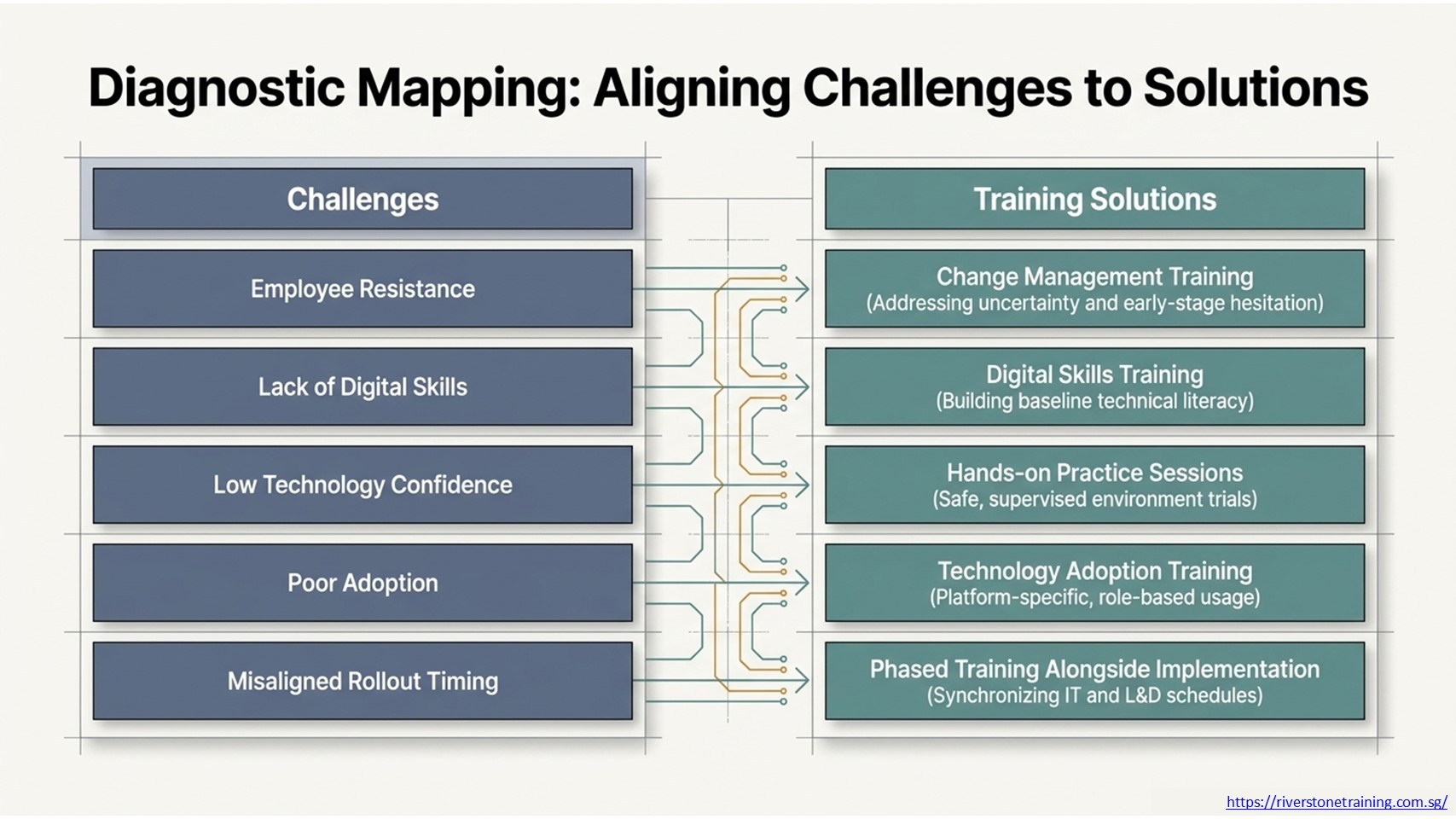
| Challenge | Training Solution |
| Employee Resistance | Change management training |
| Lack of Digital Skills | Digital skills training |
| Low Technology Confidence | Hands-on practice sessions |
| Poor Adoption | Technology adoption training |
| Misaligned Rollout Timing | Phased training alongside implementation |
How Can Training Reduce Employee Resistance to New Technology?
Addressing uncertainty and skill gaps that can cause resistance to change with training can help decrease employee resistance to new technology. It’s more likely that employees will oppose a new system if they are afraid of failing or looking bad in front of their peers.
Low-pressure, structured practice sessions allow employees to develop their skills in their own personal space and provide access to a system to use in a business environment. Getting employees involved with the design of training early in the process and outlining realistic considerations for a technology shift will also help diminish hesitation due to the feeling of being left out of the decision.
How Does Corporate Training Improve Digital Workplace Productivity?
Corporate training enhances the productivity of the digital workplace by allowing employees to perform tasks with the existing tools that they still know how to use, instead of doing so more slowly because they are uncertain, or simply because it is their old way of doing things. If a finance team has been trained on the automated reconciliation tools, for instance, they can handle transactions much quicker than one that’s still cross-checking numbers by hand.
Additionally, training decreases the amount of time managers spend troubleshooting common technology problems and allows them to concentrate on higher value tasks. This cumulative efficiency boost is one of the most easily quantifiable benefits of training over time, in specific finance and operations roles with high transaction volume.
What Role Does Leadership Play in Digital Transformation?
Leadership is key in the digital transformation process, establishing expectations, dedicating time to training, and embracing new tools in their own process. Having leaders in the company clearly employ and champion new systems will help employees see this as a priority and not an optional project.
Managers also contribute to the success of transformation at the team level because they are typically the first in the path with team members when they face difficulties with a process change. Properly training managers with the necessary technology skills enables them to assist their colleagues, but not be the one holding everyone up.
| Benefit | Business Impact |
| Better Digital Skills | Improved employee capability |
| Faster Technology Adoption | Higher productivity |
| Continuous Learning | Greater adaptability |
| Employee Confidence | Successful transformation |
| Manager Readiness | Stronger team-level support |
How Can Companies Build a Digital Learning Culture?
A digital learning culture becomes ingrained in companies when their employees engage in ongoing technology training, as opposed to a one-off activity or a single system rollout. There are short, frequent sessions on new features or tools, so employees are current without being in lengthy formal courses.
Acknowledging staff who embrace change with new technology and support each other in learning can also help to promote the importance of ongoing learning. This helps to make technology change a normal occurrence rather than a disruptive event.
How Does Data and Analytics Training Support Better Decisions?
Data and analytics training enables effective decision-making by enabling employees to read, interpret, and apply the data output instead of just creating a report and never looking to understand it. This is especially applicable to anyone using dashboards and analytics tools to inform business decisions, such as finance professionals and managers.
Staff who have been trained in analytics have a better ability to identify trends, ask questions about odd numbers, and make recommendations based on data and not just instinct. This moves data from a report to a decision-making tool throughout the organization.
How Can Organizations Measure Digital Training Effectiveness?
Skill assessments, technology adoption, post-training employee feedback, and productivity gains—before and after training—are common metrics used to evaluate digital training effectiveness. If systems are being used more and fewer issues are being reported, it is often a good indicator of successful adoption due to training.
Before and after analysis of productivity/errors, rather than completion rates, is more definitive of the impact on business. Checking in on this data on a regular basis also allows L&D teams to tweak training content in the future.
| Metric | Purpose |
| Skill Assessment | Measure improvement |
| Technology Usage | Evaluate adoption |
| Employee Feedback | Understand challenges |
| Productivity Results | Measure business impact |
| Support Ticket Volume | Track reliance on manual help |
Why Is Continuous Upskilling Important for Future Business Growth?
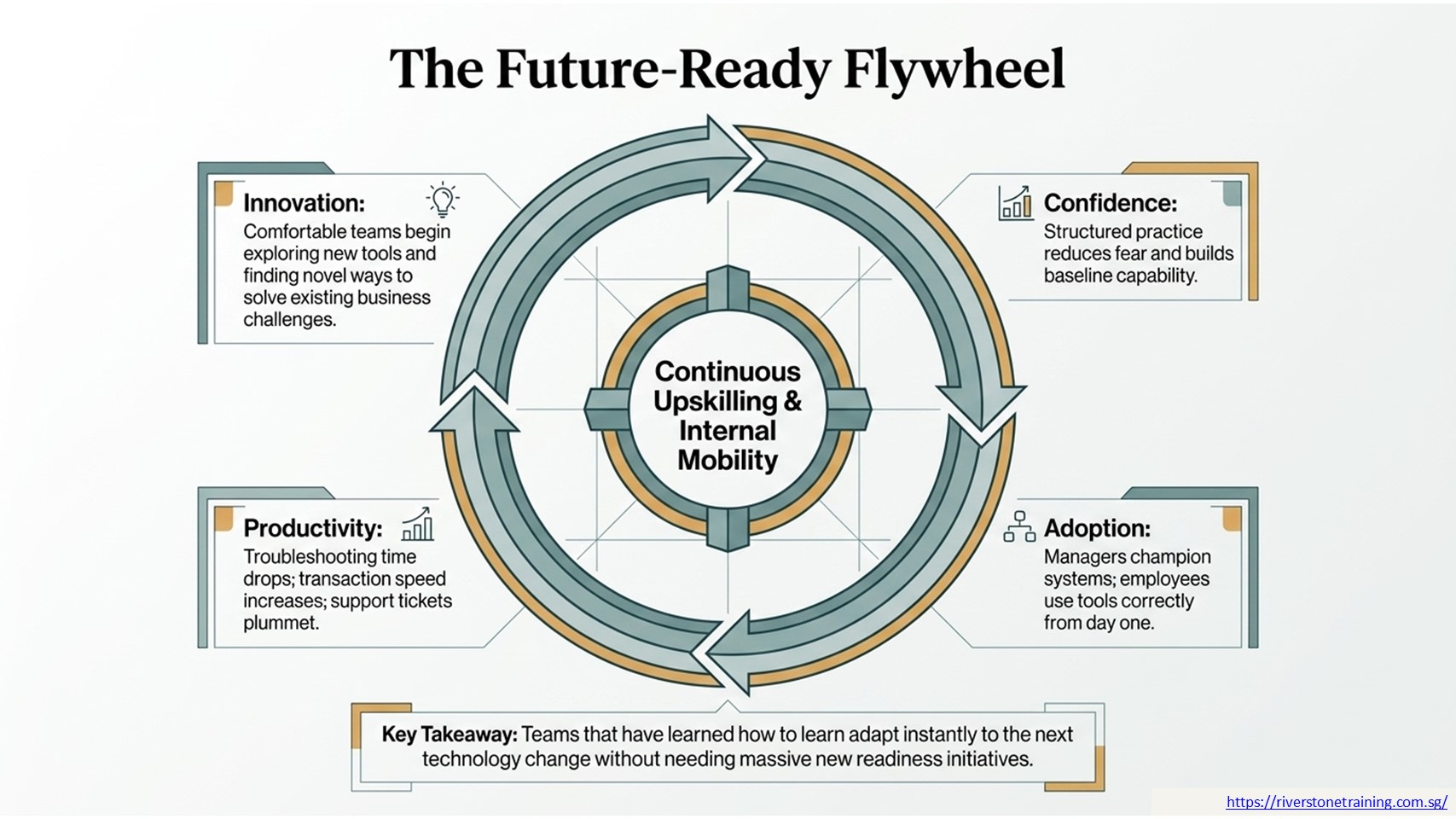
Future business growth relies on continuous upskilling as digital tools and business needs will change after the transformation project. Companies that see training as a single event may miss out on new technologies or on upgrading their systems.
There’s also the fact that ongoing upskilling helps with internal mobility as well, enabling any business to hire from within for new digital positions. This helps to create a more robust and flexible workforce to help support future growth initiatives.
How Does Corporate Training Support Long-Term Digital Innovation?
Corporate training is an effective way to foster long-term digital innovation by cultivating an employee population that is comfortable with exploring new tools and approaches, instead of sticking with usual and expected ones. Digital competence among employees plays a part in recognizing opportunities to leverage new technology to existing business challenges.
This innovation capacity builds up over time because teams that have learned to learn are better able to adapt to the next technology change. For organizations with established training bases, they are more likely to be in a better position to roll out new initiatives in the digital space without initiating new training readiness initiatives.
How Can Organizations Build a Future-Ready Workforce Through Training?
A future-ready workforce is created through training, which is done by integrating role-specific digital skills with other skills, like adaptability, data literacy, and change readiness. This mix educates workers not only on the current technology, but the technology shifts that are to come.
Incorporating training into existing business planning, rather than being seen as a “tool for tool” solution to each new tool, allows the organization to continue to develop skills proactively rather than reactively. This visionary strategy is what will set apart those organizations that successfully manage digital transformation from those that can’t keep up with the pace of change.
Conclusion
Corporate training helps enhance digital capabilities, technology confidence, and continuous learning within the organisation to ensure they are equipped to deal with the shifting business landscape. Digital skills training allows employees to develop real-world technology expertise that they can put into practice at work.
Meanwhile, technology adoption training enables organizations to use new technology solutions successfully and realize the value of transformation initiatives rather than let it go untapped because technology isn’t adopted quickly or uniformly. These initiatives, coupled together, make digital transformation a capability of the workforce.
| Focus Area | Organizational Value |
| Digital Skills Training | Builds practical technology capability |
| Technology Adoption Training | Speeds up and strengthens implementation |
| Leadership Involvement | Reinforces transformation priorities |
| Continuous Upskilling | Sustains long-term adaptability |
| Training Measurement | Confirms business impact |
Companies that are willing to invest in well-designed corporate training initiatives to reskill and upskill their workforce in the digital era are encouraged to do so.